
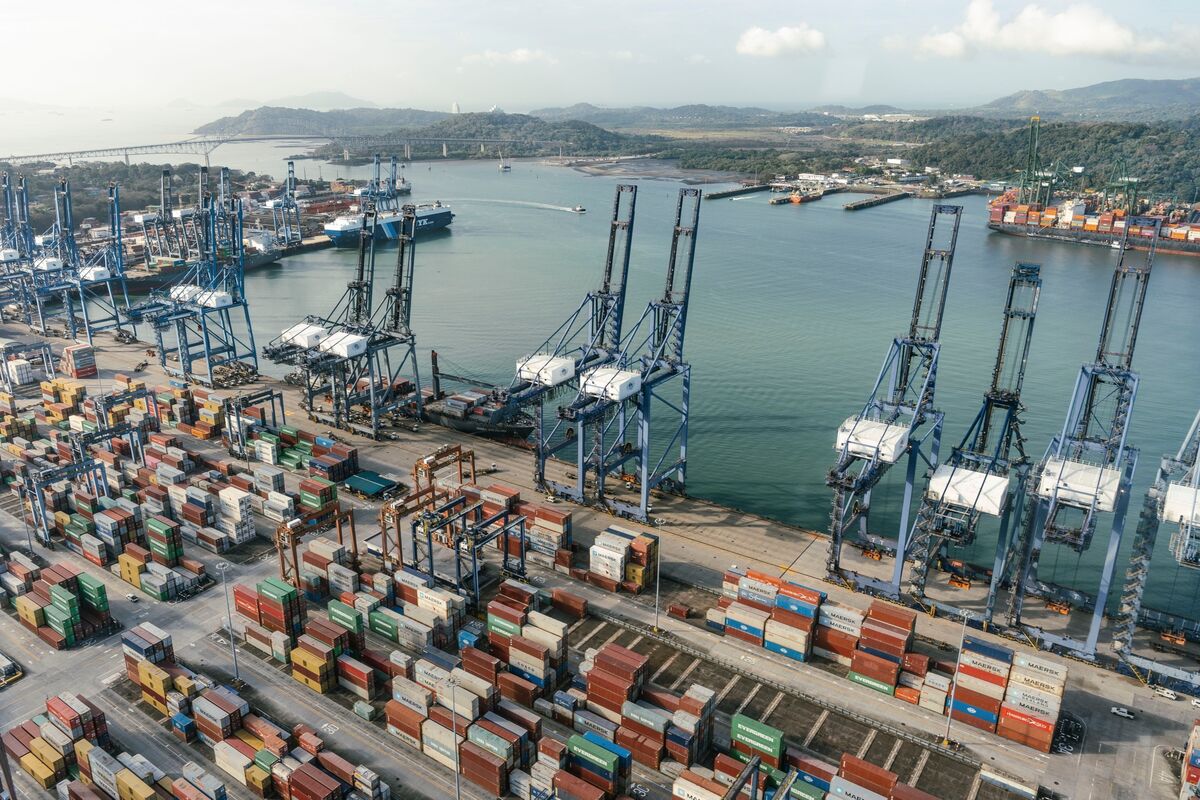
The Panama Canal Ports Deal: A Delay Shakes Up Global Logistics
The world of global logistics is buzzing with news of a significant delay in a major port acquisition deal. The anticipated sale of a significant stake in Panama Canal ports, owned by Hong Kong tycoon Li Ka-shing, to a consortium spearheaded by the investment giant BlackRock, has been postponed. This unexpected development has sent ripples through the industry, raising questions about the future of these vital shipping hubs and the underlying reasons behind the postponement.
Li Ka-shing, known for his shrewd business acumen and vast empire, had been expected to finalize the deal within the coming week. However, reports indicate that the signing has been put on hold, prompting speculation about the factors contributing to this eleventh-hour change of plans. While official statements are still awaited, the delay casts a shadow of uncertainty over the future of the ports’ operation and management.
Several potential reasons for the delay are being considered. One prominent possibility revolves around regulatory hurdles. Complex international transactions of this scale often encounter unforeseen bureaucratic obstacles, requiring extensive approvals from various governmental bodies and regulatory agencies. These processes can be protracted and susceptible to unexpected delays, even with meticulous planning. The Panama Canal, as a strategically vital waterway, is particularly subject to stringent regulatory scrutiny.
Another crucial aspect involves the inherent political sensitivities surrounding the Panama Canal. The canal’s strategic importance to global trade and its geopolitical implications make it a sensitive asset. Any significant change in ownership or management structure inevitably attracts political attention, potentially leading to delays or modifications as governments and stakeholders evaluate the deal’s broader impact. Public opinion and concerns regarding foreign investment could also have played a role in delaying the agreement.
The involvement of BlackRock, one of the world’s largest asset management firms, further adds complexity to the situation. BlackRock’s participation means the deal is subjected to scrutiny beyond typical commercial transactions. Their investment strategy, the implications for their portfolio, and their own risk assessments might have influenced the decision to delay the signing. The consortium’s internal negotiations and alignment of interests may also have faced unforeseen complications, further delaying the process.
The delay also underscores the fluctuating nature of large-scale international transactions. Global market conditions, unforeseen economic shifts, and the inherent uncertainties associated with long-term investment all play significant roles in influencing such decisions. A reevaluation of market conditions or a shift in the investors’ risk appetite could have easily contributed to the pause.
Furthermore, the “controversial” nature of the deal, alluded to in initial reports, suggests there might be unresolved issues regarding the terms of the sale, potential environmental impacts, or social implications that require further consideration and negotiation before the transaction can proceed. Addressing these concerns thoroughly might necessitate a significant amount of time.
In conclusion, the postponement of the Panama Canal ports deal is a significant development with far-reaching consequences. While the exact reasons remain officially unconfirmed, a confluence of factors—regulatory complexities, political sensitivities, and the intricate dynamics of international finance—likely contributed to this decision. The wait for official confirmation and clarity regarding the future of this crucial asset will undoubtedly continue to hold the attention of the global business community and beyond. The coming weeks will offer further insights into the ultimate fate of this high-stakes transaction.

Leave a Reply