
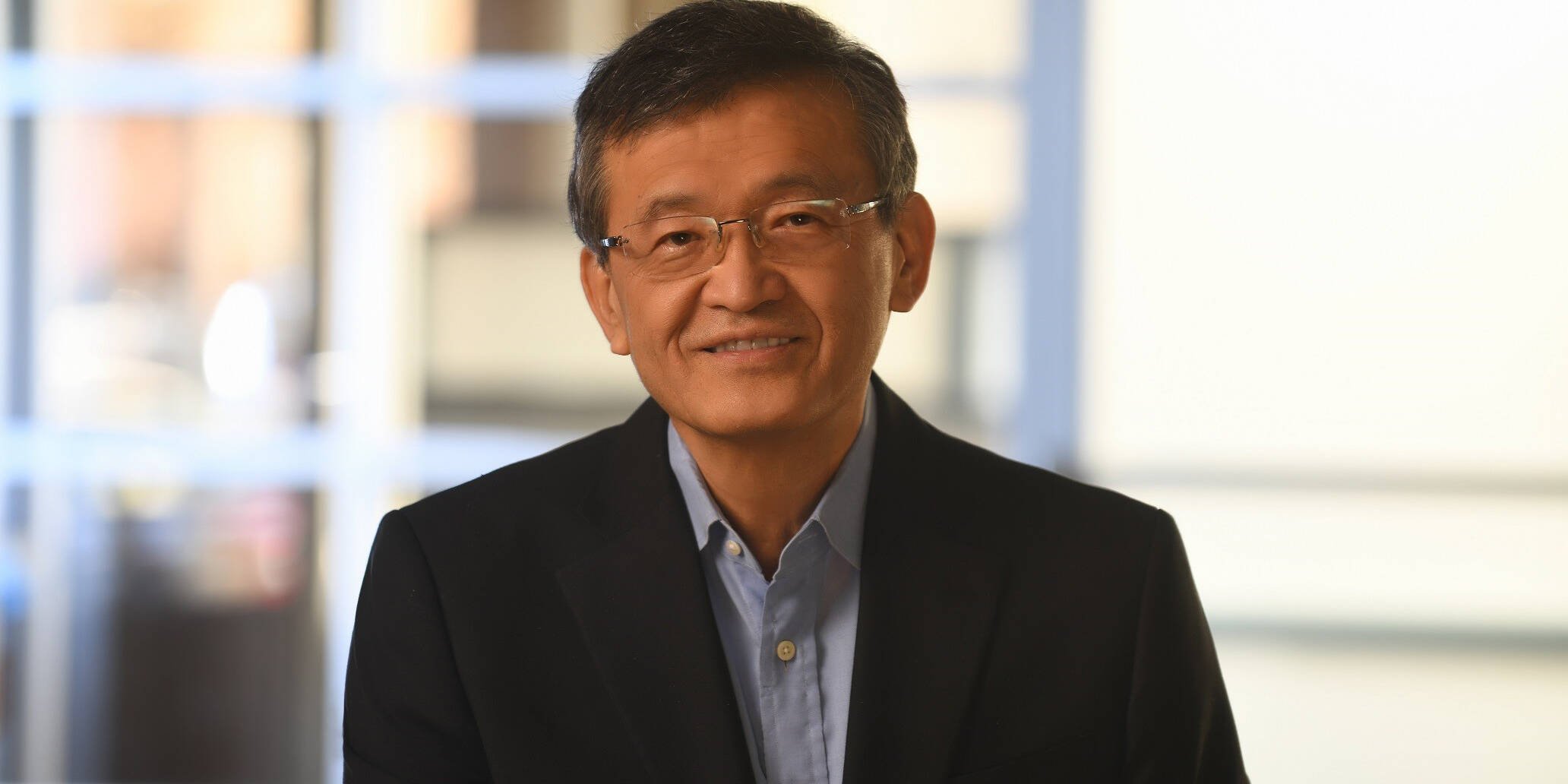
Intel’s New Captain at the Helm: Can Lip-Bu Tan Steer the Chip Giant Back to Glory?
Intel, the once undisputed king of the x86 processor market, finds itself navigating turbulent waters. Recent financial reports paint a concerning picture, with mounting losses particularly impacting the company’s foundry business. In a bold move designed to chart a course back to profitability and dominance, Intel’s board of directors has appointed Lip-Bu Tan as the company’s new CEO. This appointment marks a significant shift in leadership and signals a potential strategic realignment for the tech giant.
Tan brings a wealth of experience to the table. His previous tenure as CEO of Cadence Design Systems, a leading provider of electronic design automation (EDA) software, equipped him with a deep understanding of the semiconductor industry’s intricate ecosystem. This expertise is invaluable as Intel grapples with the complexities of its manufacturing processes and the fierce competition it faces from both established players and ambitious newcomers.
The challenges facing Tan are substantial. Intel’s foundry business, responsible for manufacturing chips for itself and other companies, has been struggling to compete with industry leaders like TSMC and Samsung. These companies have mastered advanced manufacturing techniques, allowing them to produce more efficient and powerful chips at a lower cost. Intel’s attempts to catch up have been slow and costly, leading to significant financial setbacks.
Beyond the foundry woes, Intel faces a broader competitive landscape that has dramatically shifted in recent years. The rise of companies like AMD, specializing in high-performance processors, has eroded Intel’s market share. Furthermore, the increasing demand for specialized chips, such as those used in artificial intelligence and high-performance computing, requires a different strategic approach than the traditional focus on general-purpose processors.
Tan’s appointment signifies a commitment to addressing these challenges head-on. His deep understanding of the semiconductor industry’s intricacies, coupled with his proven leadership skills, could be the catalyst needed to revitalize Intel’s operations. His insider perspective, gained as a member of Intel’s board, further strengthens his position to effect meaningful and rapid change.
However, the road to recovery will not be easy. Rebuilding Intel’s foundry business requires significant investment in research and development, advanced manufacturing infrastructure, and potentially strategic partnerships. Simultaneously, Tan needs to navigate the competitive landscape and adapt Intel’s product portfolio to meet the evolving demands of the market. This includes investing in areas like AI and specialized chips while maintaining its stronghold in the general-purpose processor market.
The success of Tan’s leadership will hinge on his ability to execute a comprehensive strategic plan. This plan will likely involve a combination of internal restructuring, technological advancements, and strategic partnerships. It will also require a deep understanding of both the short-term needs of stabilizing the company’s finances and the long-term vision of restoring Intel to its former glory. The task is monumental, but with Tan’s experience and the collective expertise within Intel, there’s a glimmer of hope for a return to the company’s once-unwavering dominance. The world watches with bated breath to see if Tan can indeed steer Intel back towards its illustrious past.


Leave a Reply